
first counselling session with a child pdf
Category : PDF
Understanding the First Counselling Session with a Child
The initial session focuses on building trust, gathering information, and outlining the process—it’s about creating a foundation for understanding between the child, counselor, and family․
What to Expect: An Overview
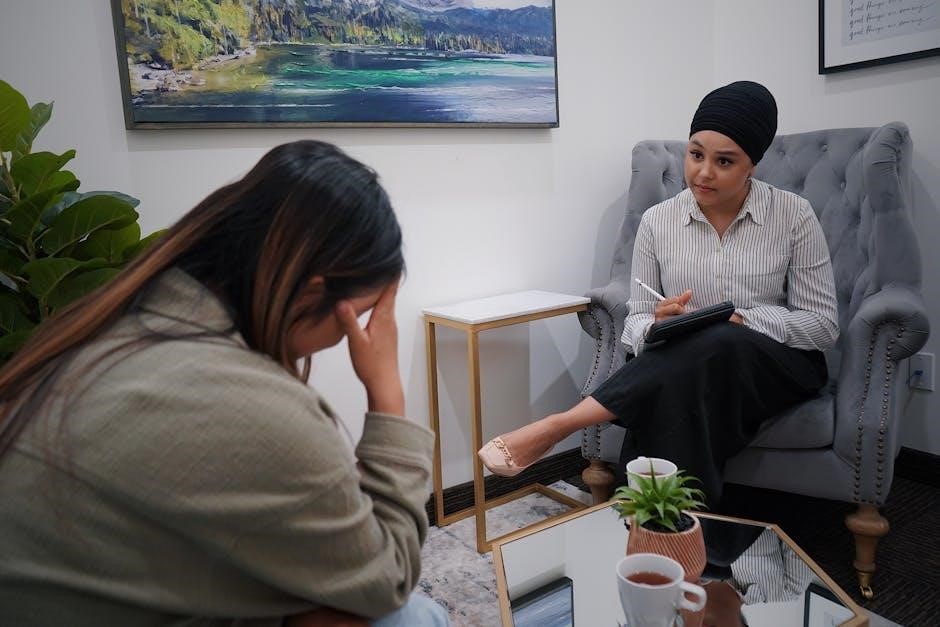
The first counselling session is primarily an introductory meeting․ Expect a warm greeting from the receptionist, followed by the clinician ensuring your comfort and answering initial questions․ The session prioritizes establishing rapport – a trusting connection – with your child․ It’s less about immediately addressing problems and more about understanding the child’s world․ Play therapy is often utilized, allowing children to express themselves naturally through play, aiding the therapist in understanding their thoughts and feelings․
Preparing Your Child for the First Session
Help your child understand therapy as a special time to share feelings with a caring person, using age-appropriate language and addressing any anxieties․
Age-Appropriate Explanations
For younger children, explain therapy as a fun time to play with toys and talk to someone who can help with big feelings․ Avoid complex terms; instead, frame it as a special visit․ With older children, you can be more direct, explaining that the counselor is a supportive adult who can help them navigate challenges at home or school․
Reassure them it’s okay to talk about anything and that therapy is a safe space․
Addressing Fears and Anxieties
Acknowledge your child’s potential anxieties about attending therapy․ Validate their feelings and explain that it’s normal to feel nervous about meeting someone new․ Avoid dismissing their fears; instead, offer reassurance and emphasize the counselor’s role as a helper․
If reluctance persists, allow them space without forcing participation, as pressuring can increase anxiety․
The Initial Session: Goals and Objectives
The primary goals are establishing rapport, gathering essential information from both parents and the child, and outlining the counseling journey ahead․
Establishing Rapport with the Child
Building a strong connection is paramount; the counselor aims to create a safe and welcoming space where the child feels comfortable expressing themselves․ This involves gentle interaction, active listening, and demonstrating genuine care and understanding․
Play therapy often facilitates this, allowing children to communicate naturally through their preferred medium․ Avoiding direct questioning initially and following the child’s lead are key strategies in fostering trust․
Gathering Information from Parents/Guardians
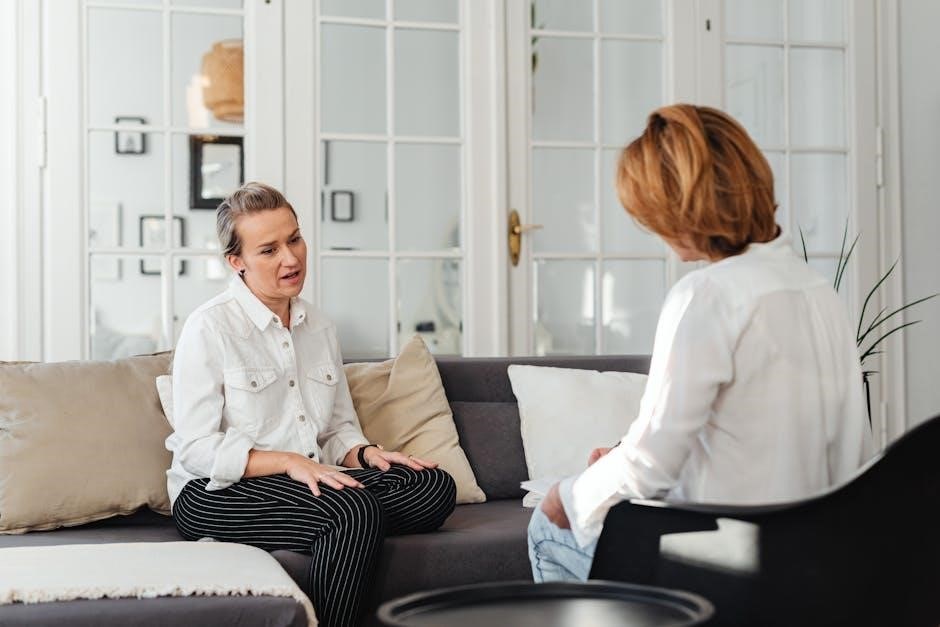
The counselor will dedicate time to understand the child’s history, presenting concerns, and family dynamics from the parent or guardian’s perspective․ This detailed information is crucial for developing an effective treatment plan․
Expect questions about developmental milestones, behavioral patterns, significant life events, and the parent’s goals for therapy․ Honest and open communication is vital during this phase of the initial session․
Techniques Used in the First Session
Play therapy allows children to express thoughts and feelings through play, while observational methods help therapists understand behavior in a natural setting․
Play Therapy Approaches
Play therapy is a cornerstone technique, enabling children to communicate their experiences through a comfortable medium․ Therapists observe interactions with toys, facilitating expression of emotions and problem-solving․ This approach bypasses the need for direct verbalization, particularly helpful for younger children or those struggling to articulate feelings․
The playroom provides a safe space for exploration, allowing children to reenact situations or express anxieties symbolically․ It’s a non-threatening way for therapists to gain insight into a child’s inner world and build rapport․
Observational Methods
During the first session, counselors utilize keen observational skills to assess a child’s behavior, interactions, and emotional presentation․ Observing play patterns, body language, and responses to parental presence offers valuable insights․ These observations complement information gathered from parents, providing a holistic understanding․
The therapist notes the child’s engagement, any reluctance, and the themes emerging in play, all contributing to a preliminary assessment and guiding subsequent sessions․

Parental Involvement in the Process
Parents play a crucial role, providing essential background information and collaborating with the counselor to support their child’s therapeutic journey effectively․
The Role of Parents During the Session
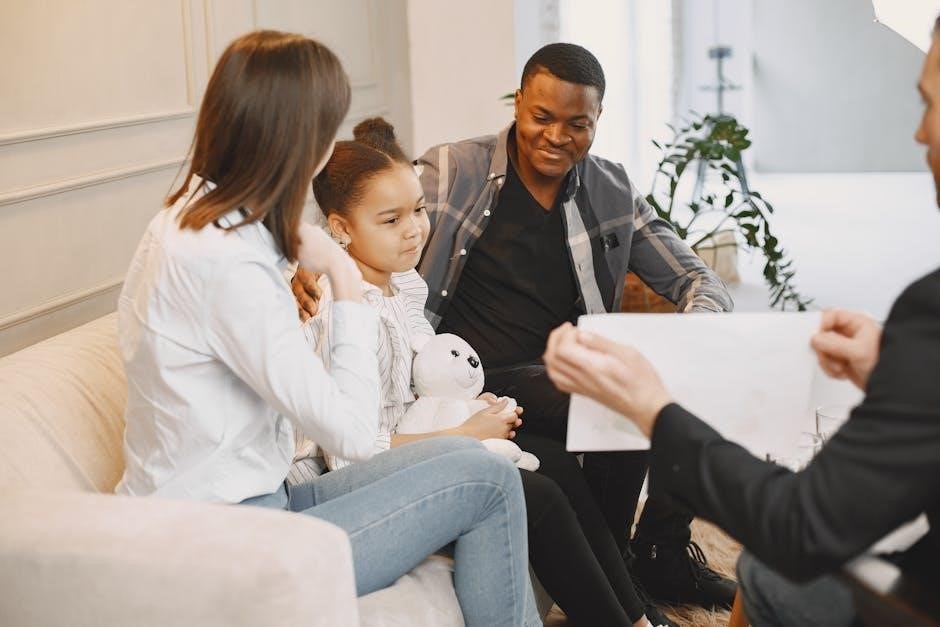
During the first session, parents typically participate by sharing observations about their child’s behavior, emotional state, and relevant family history; this collaborative approach helps the counselor gain a comprehensive understanding․
Expect to answer questions regarding developmental milestones, significant life events, and your specific concerns, while also being informed about the counseling process and expectations․
The clinician will ensure you feel comfortable and address any immediate questions you may have regarding the initial session and the therapeutic journey ahead․
Confidentiality and its Limits
Confidentiality is a cornerstone of the therapeutic relationship, meaning what your child shares remains private; however, there are legal and ethical limits to this confidentiality, primarily concerning safety․
The counselor is mandated to report any suspected abuse, neglect, or threats of harm to themselves or others, adhering to legal requirements and prioritizing the child’s well-being․
Parents will be informed about these limits during the initial session, ensuring transparency and a clear understanding of the boundaries․

Common Reactions from Children
Children may exhibit reluctance, resistance, or strong emotional expression during the first session, which are all normal responses to a new experience and environment․
Reluctance or Resistance
It’s common for children to feel hesitant or resist participating in the first session, especially if it’s their initial experience with therapy․ Avoid forcing or bargaining with them to engage; allow them to explore the space at their own pace․
A skilled counselor will respect their boundaries and create a safe environment where they feel comfortable gradually building trust․
Emotional Expression
During the first session, children may express emotions in various ways – through play, silence, or verbal communication․ It’s crucial for the counselor to observe and validate these expressions without judgment․
Play therapy provides a safe outlet for children to communicate their feelings, allowing the therapist to understand their inner world and build a therapeutic connection․

What Happens After the First Session?
Following the initial meeting, a treatment plan is developed, and follow-up appointments are scheduled to continue supporting the child’s emotional well-being․
Treatment Planning
After the first session, the counsellor will formulate a tailored treatment plan based on the information gathered from parents and observations of the child․ This plan outlines specific goals, therapeutic approaches – like play therapy – and the anticipated frequency of sessions․
It’s a collaborative process, ensuring alignment with family values and the child’s unique needs․ Regular reviews and adjustments to the plan are expected as progress is made and new insights emerge;
Scheduling Follow-Up Appointments
Following the initial session, the counsellor will discuss the recommended frequency of follow-up appointments with parents or guardians․ This depends on the child’s needs and the goals established in the treatment plan․
Consistent attendance is crucial for progress, and the counsellor will work with families to find a schedule that accommodates their commitments․ Flexibility is often offered to ensure accessibility and continuity of care․
Key Considerations for Different Age Groups
Approaches must be tailored to the child’s developmental stage; preschoolers benefit from play, while school-age children can engage in more verbal discussions․
Preschoolers (3-5 years)
With preschoolers, expect shorter sessions centered around play therapy, allowing them to express feelings non-verbally․ Avoid direct questioning; instead, observe their play and interactions․
If a child is reluctant to enter the playroom, avoid forcing or bargaining․ Simple explanations like, “This is a special place to play,” can be helpful․
Focus on creating a safe and welcoming environment where they feel comfortable exploring their emotions through toys and activities․
School-Age Children (6-12 years)
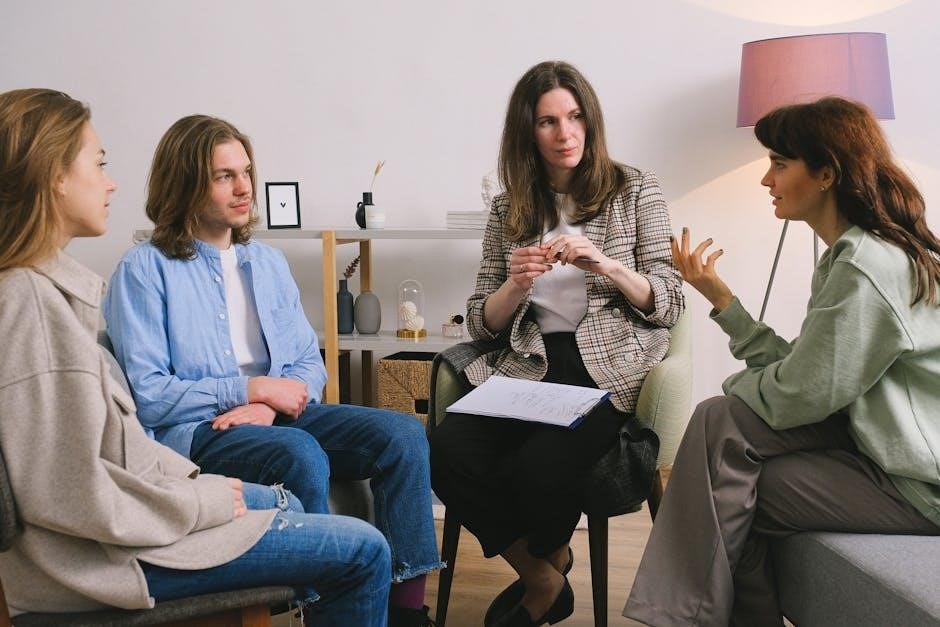
For school-age children, the first session can involve more verbal interaction, though play remains a valuable tool․ Explain the counseling process in age-appropriate terms, emphasizing it’s a safe space to talk about feelings․
Allow them to ask questions and address any anxieties they may have․
Building rapport is key; show genuine interest in their hobbies and experiences to establish trust and encourage open communication․
Finding the Right Counsellor
Seek a counsellor with relevant qualifications, experience working with children, and potentially specializations addressing your child’s specific needs and concerns․
Qualifications and Experience
When selecting a counsellor, prioritize those holding relevant degrees in counselling, psychology, or a related field, alongside appropriate licensure or certification․ Crucially, verify their demonstrable experience specifically working with children, as techniques differ significantly from adult therapy․
Look for professionals familiar with child development stages and various therapeutic approaches suitable for young clients, such as play therapy․ Don’t hesitate to inquire about their training and ongoing professional development․
Specializations
Consider a counsellor specializing in the specific challenges your child faces, whether it’s anxiety, behavioral issues, trauma, or family dynamics․ A specialized focus indicates deeper knowledge and refined skills in addressing those particular concerns effectively․
Some counsellors may specialize in specific age groups, like preschoolers or adolescents, further enhancing their ability to connect with and support your child․
Documents and Forms to Expect
Be prepared for intake forms detailing your child’s history and consent forms outlining the counselling process, confidentiality, and parental permissions․
Intake Forms
Intake forms are comprehensive questionnaires gathering essential details about your child’s developmental history, medical background, family dynamics, and presenting concerns․
These forms help the counsellor understand the context of your child’s difficulties and tailor the therapeutic approach accordingly․ Expect questions about behavioral patterns, emotional regulation, school performance, and any significant life events․
Honest and thorough completion of these forms is crucial for effective treatment planning and a successful counselling journey․
Consent Forms
Consent forms are legally required documents outlining the parameters of the counselling relationship, including confidentiality policies and the limits to those policies․
Parents or legal guardians must review and sign these forms, indicating their understanding and agreement to the therapeutic process․
They detail the counsellor’s qualifications, treatment approaches, and your rights as a client, ensuring informed consent and a transparent partnership․
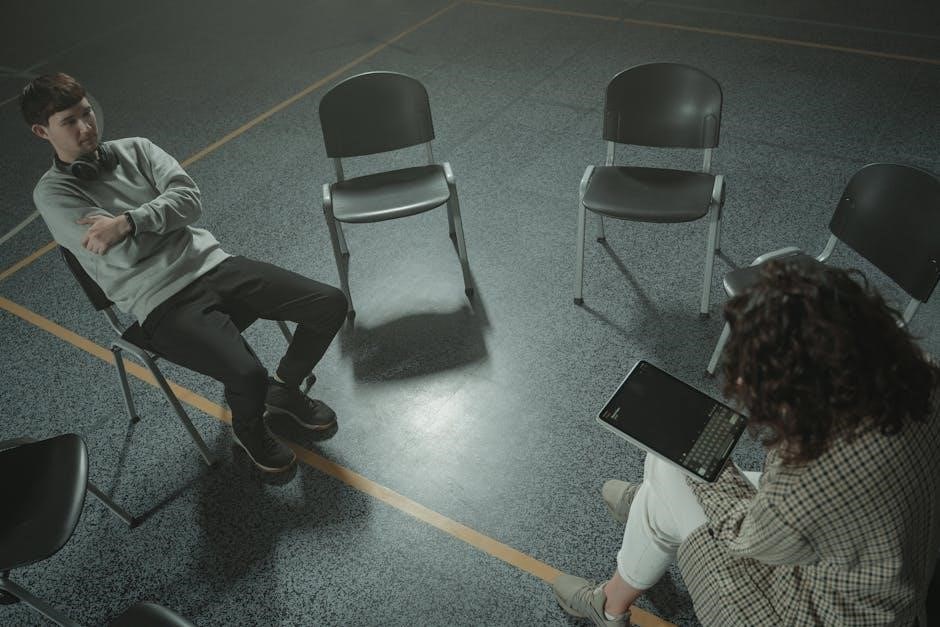
The Importance of a Safe and Comfortable Environment
A welcoming atmosphere, like a well-equipped playroom, is crucial for a child to feel secure, express themselves freely, and build trust․
Playroom Setup
The playroom should be thoughtfully arranged with a variety of toys – dolls, puppets, art supplies, building blocks – catering to diverse interests and developmental stages․
These materials allow children to express themselves non-verbally, explore emotions, and recreate experiences․ A comfortable and inviting space encourages exploration and facilitates the therapeutic process․
Consider including cozy areas for quiet reflection, alongside spaces for active play, ensuring the room feels safe and adaptable to the child’s needs․
Creating a Welcoming Atmosphere
Establishing a safe and comfortable environment is paramount; warmth and acceptance are key․ The counsellor’s demeanor should be gentle, patient, and non-judgmental, fostering a sense of trust․
Soft lighting, calming colors, and comfortable seating contribute to a relaxing space․
Minimizing distractions and ensuring privacy are crucial․ A welcoming atmosphere encourages the child to feel secure enough to explore their feelings and engage in the therapeutic process․

Addressing Specific Concerns
The first session allows initial exploration of anxieties or behavioral issues, providing a starting point for tailored therapeutic interventions and support․
Anxiety
During the initial session, observe how anxiety manifests in the child’s behavior – reluctance to separate from parents, clinging, or quiet withdrawal․ The counselor will gently explore the sources of anxiety through play or conversation, aiming to create a safe space for expression․
It’s crucial to normalize anxious feelings and validate the child’s experience, fostering a sense of understanding and acceptance․ The session isn’t about ‘fixing’ anxiety immediately, but about beginning to build a trusting relationship and gather information․
Behavioral Issues
When behavioral concerns are present, the first session aims to understand the context surrounding these behaviors – what triggers them, and what function they serve for the child․ The counselor will observe the child’s interactions and gather information from parents about patterns and challenges․
Focus is placed on understanding the underlying needs driving the behavior, rather than simply addressing the behavior itself․ Building rapport is key, as a trusting relationship is essential for facilitating positive change and cooperation․